

What a Trek Really Costs — From Budget Backpackers to Luxury Himalayan Journeys
| Last Updated | September 2026 |
| Best For | Everyone planning a Nepal trek, from first-timers to repeat visitors |
| Author | Abhay Gautam, Cold Feet Adventure |
Editorial Note: Prices in this guide reflect typical 2026–2027 rates gathered from our own operations and partners on the ground in Nepal, reviewed periodically as permit fees and local costs change. The “From the Trail” stories throughout reflect patterns and moments our guides describe recurring across many treks, not verbatim transcripts of one specific dated conversation. This isn’t affiliate content — we don’t earn commissions on the services mentioned here.
Introduction
Planning a trek in Nepal usually begins with a dream. Perhaps it’s the first glimpse of Everest rising above the Khumbu Valley, the golden light on the Annapurna range, or the quiet satisfaction of reaching a mountain pass after days of walking. Long before the permits are issued or the boots are laced, however, there is a more practical question that every traveller eventually asks.
How much does trekking in Nepal actually cost?
It seems like a simple question. In reality, it has no simple answer.
Spend a few minutes searching online and you’ll find estimates that range from a few hundred dollars to several thousand for what appears to be the same trek. Some articles promise Everest Base Camp for less than the price of a weekend in Europe. Others suggest you should budget several times that amount. Both may be based on real experiences, yet neither explains why the numbers differ so dramatically.
The Himalayas are not a destination with a fixed price tag. They are a landscape shaped by countless choices. The trail you choose, the season you travel, the length of your itinerary, whether you walk with a porter, where you sleep, how you travel to the trailhead, and even how many cups of tea you drink each day all influence the final cost of your journey.
That variability can feel overwhelming when you’re planning from the other side of the world.
Our aim with this guide is not to tell you the cheapest way to trek in Nepal, nor to persuade you to spend more than necessary. Instead, we want to give you something far more valuable: clarity.
Over the years, we’ve helped travellers with every kind of budget. Some have arrived carrying little more than a backpack and a sense of curiosity. Others have celebrated milestones with private guides, scenic helicopter flights, and luxury lodges. Both returned with extraordinary memories, because the quality of a trek is measured less by what you spend than by how well your journey matches your expectations.
In the chapters that follow, we’ll break down every major expense you are likely to encounter, explain why prices vary from one region to another, compare the costs of Nepal’s most popular trekking routes, and highlight the small expenses that first-time visitors often overlook. Whether you’re planning a lean, independent trek or a more elaborate Himalayan holiday, you’ll be able to build a realistic budget with confidence.
Because the mountains should surprise you with their beauty—not with unexpected costs.
The question we hear most often in our office isn’t “Which trek is the most beautiful?” It’s “How much money should I bring?” Interestingly, the travellers who enjoy their trek the most are rarely the ones who spend the least or the most. They’re the ones who understood what they were paying for before they set foot on the trail.
Cold Feet Tip
When comparing trekking prices, always ask what is included, not just what it costs. Two itineraries with the same destination can differ significantly in value. A lower price may exclude domestic flights, permits, accommodation in Kathmandu, meals, airport transfers, or the services of a porter. Looking only at the headline figure can make two very different journeys appear identical.
How Much Does Trekking in Nepal Cost in 2026–2027?
The short answer is that most people spend between US$900 and US$2,500 for a classic teahouse trek in Nepal.
Where your journey falls within that range depends less on the mountain you choose and more on the style of experience you’re looking for. A backpacker sharing rooms and watching every dollar will naturally spend less than a couple seeking private accommodation, domestic flights and a slower, more comfortable itinerary.
The table below provides a realistic starting point before we explore each cost in detail.
| Trekking Style | Estimated Cost (Per Person) | Best For |
|---|---|---|
| Budget | US$800–1,200 | Independent-minded travellers seeking a simple teahouse experience |
| Classic Guided | US$1,200–1,800 | The most popular choice, balancing comfort, safety and value |
| Premium | US$1,800–2,800 | Smaller groups, upgraded accommodation, domestic flights and greater flexibility |
| Luxury | US$3,000+ | Luxury lodges, private services, helicopter options and bespoke itineraries |
These figures assume a typical trek lasting between 10 and 16 days, including permits, accommodation, meals during the trek, transportation to and from the trailhead, and the services normally required for that style of journey.
Some shorter treks, such as Poon Hill or Mardi Himal, can cost considerably less. Longer or more remote expeditions—particularly Upper Mustang, Kanchenjunga or Dolpo—often cost significantly more due to additional permits, logistics and duration.
Think of these numbers as planning estimates rather than fixed prices. By the end of this guide, you’ll understand exactly where every dollar goes, which expenses are unavoidable, and which are entirely within your control.
Did You Know?
Many first-time visitors assume that the highest mountain is also the most expensive trek. In reality, Everest Base Camp is not Nepal’s costliest trekking destination. Restricted regions such as Upper Mustang and Upper Dolpo often require special permits that can exceed the cost of all standard trekking permits combined. Remoteness, rather than altitude, is frequently the biggest driver of price.
Chapter 1: What Determines the Cost of a Trek in Nepal?
People often compare trekking prices as though they were comparing airline tickets. One company advertises Everest Base Camp for US$1,100, another for US$1,800, and a third for more than US$2,500. Without context, it’s easy to assume that one of them must simply be overcharging.
In reality, the price of a trek is built from dozens of individual decisions. Some are obvious, like how long you’ll be walking. Others are almost invisible until you begin planning in detail.
Understanding these factors doesn’t just help you build a realistic budget—it helps you decide what kind of journey you want to have. Let’s look at the biggest influences.
1. Where You Trek
No two trekking regions are equally expensive. Some are connected by well-developed road networks and have hundreds of teahouses competing for visitors. Others require domestic flights, chartered jeeps or special permits issued by the Government of Nepal.
- Langtang Valley is one of Nepal’s most accessible high-altitude treks, making it comparatively affordable.
- Annapurna Base Camp benefits from excellent infrastructure and abundant accommodation.
- Everest Base Camp becomes more expensive primarily because of the flight to Lukla.
- Manaslu Circuit requires a restricted area permit, a licensed guide and additional conservation permits.
- Upper Mustang combines restricted-area permit fees with longer travel distances, making it one of Nepal’s most expensive teahouse treks.
The mountain itself rarely determines the cost.
Getting there usually does.
2. Trek Duration
This may sound obvious, but every additional day on the trail increases more than just accommodation costs. Another day usually means another night’s accommodation, three more meals, guide and porter wages, extra transportation planning, and additional snacks and personal expenses.
A seven-day trek and a fifteen-day trek can visit equally spectacular landscapes, yet the longer itinerary naturally carries almost double the operating costs. Time, more than distance, is one of the biggest factors in your overall budget.
3. The Season You Travel
Unlike hotels in many destinations, accommodation prices in Nepal’s trekking regions remain relatively stable throughout the year. However, travelling during the busiest seasons—spring (March to May) and autumn (September to November)—can influence the overall cost of your trip in other ways: flights to and from Nepal are often more expensive, international demand increases, popular departures fill earlier, and premium lodges book out well in advance.
Travelling during quieter months may occasionally reduce transportation or accommodation costs, but weather conditions can introduce different challenges. The cheapest season isn’t always the best value. For a fuller month-by-month breakdown of weather, crowds and trekking conditions, see our guide to the best time to trek in Nepal.
Cold Feet Tip
If your travel dates are flexible, shifting your departure by even a week—particularly at the beginning or end of the spring and autumn seasons—can sometimes reduce international airfare significantly while still offering excellent trekking conditions. It’s one of the easiest ways to lower your overall budget without changing your experience in Nepal
From the Trail
We’ve seen travellers spend weeks searching for the cheapest trekking package, only to book flights that cost more than they saved. Sometimes the smartest financial decision isn’t negotiating another fifty dollars from a package price. It’s planning the journey as a whole.
4. Group Size
One of the biggest misconceptions about trekking in Nepal is that every additional person simply divides the cost. In reality, some expenses are shared, while others remain almost exactly the same regardless of whether you’re travelling alone or with friends.
Transportation is a good example. Hiring a private jeep from Kathmandu to Syabrubesi costs roughly the same whether there are two passengers or six, making larger groups more economical. The same applies to airport transfers, guide services on some itineraries, and certain logistical arrangements.
Other costs, however, remain personal. Your permits, meals, accommodation, travel insurance and most domestic flights will cost virtually the same whether you’re trekking solo or in a group. This is why travelling with friends often lowers the overall cost per person, but never by as much as many people expect.
For solo travellers, Nepal remains remarkably accessible. Although your costs may be slightly higher, many people find that the flexibility and independence are well worth the difference.
5. Guided Trek or Independent Travel?
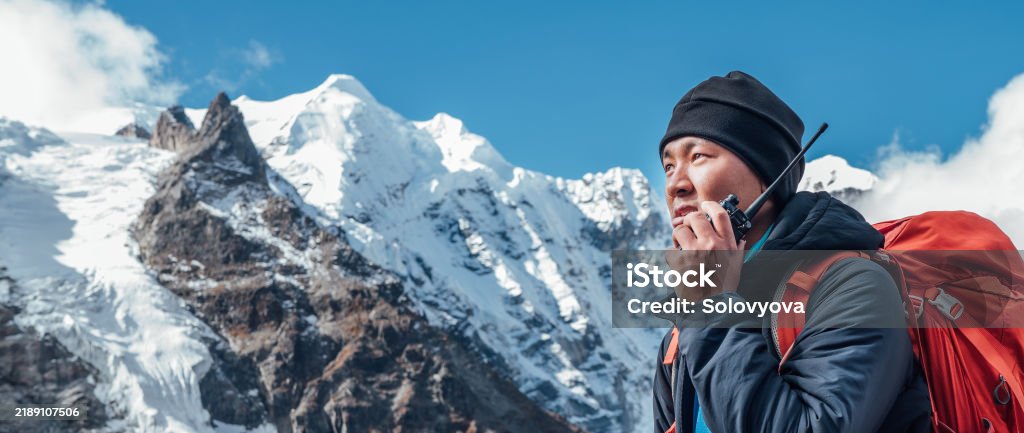
This is no longer simply a question of budget. For many of Nepal’s most popular trekking routes, including the Annapurna region and Everest Base Camp, trekking regulations now require visitors to be accompanied by a licensed guide. These measures were introduced to improve safety, visitor support and search-and-rescue coordination.
As a result, the question has shifted from “Should I hire a guide?” to “What value does a good guide bring?”
A professional guide is, of course, responsible for navigation and logistics. But the best guides quietly do much more than that.
- They know which teahouse has the warmest dining room after a snowfall.
- They recognise the early signs of altitude sickness long before they become serious.
- They adjust your pace without making you feel rushed.
- They introduce you to families who have welcomed trekkers for generations.
- They translate conversations that would otherwise never happen.
- They turn a route into a story.
Like any profession, guiding varies enormously. An experienced, knowledgeable guide is not simply another line in your budget. They are often the person who shapes the quality of your entire journey.
From the Trail
Years from now, very few trekkers remember exactly what they paid for their guide. Many remember the guide’s name — the stories shared over endless cups of tea, the quiet encouragement on a difficult climb, and the reassuring smile when clouds hid the mountains, only to reveal them again the following morning.
The best guides rarely become the centre of the journey.
They simply make the journey better.
6. Accommodation Standards
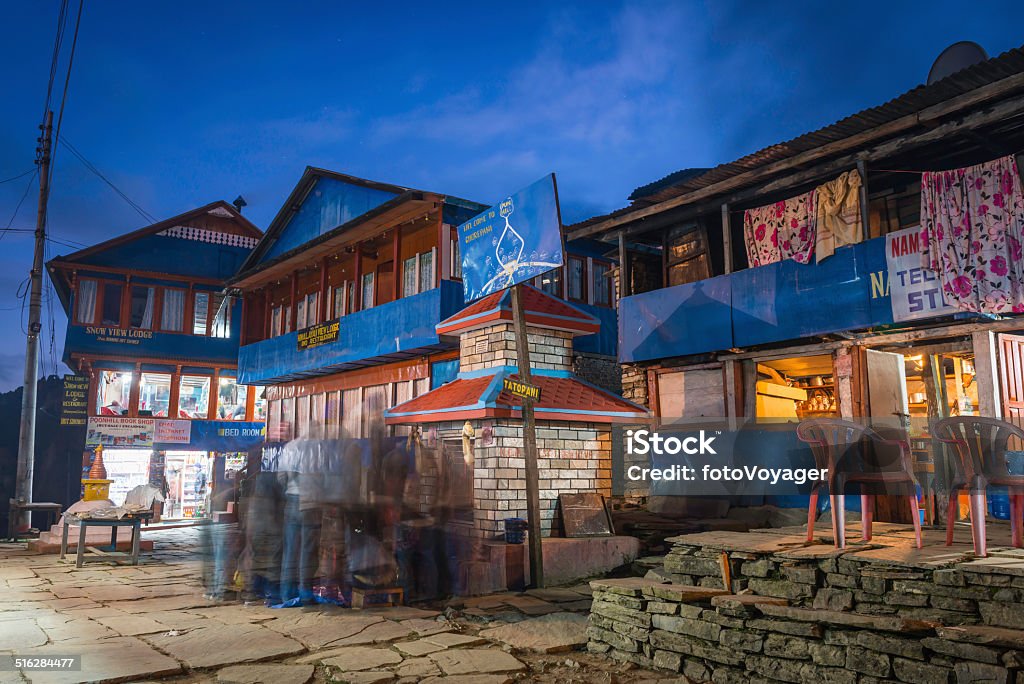
For most classic trekking routes in Nepal, your nights will be spent in teahouses—simple family-run lodges that have welcomed travellers for decades. The word teahouse sometimes surprises first-time visitors. It sounds modest, perhaps even temporary. In reality, these lodges are the heart of Himalayan trekking.
A typical teahouse provides a private twin room with beds, blankets and pillows, alongside a communal dining room where trekkers gather each evening over hot meals and conversation. Facilities become simpler as you gain altitude, but the atmosphere often becomes warmer.
Accommodation itself is rarely the largest part of your trekking budget. What varies more noticeably is the level of comfort. On routes such as Everest Base Camp, you’ll find everything from traditional lodges run by local families to premium mountain hotels with attached bathrooms, electric blankets and freshly baked pastries. Elsewhere, particularly in more remote regions, simplicity is part of the experience.
Neither is inherently better. Some travellers cherish evenings around a yak-dung stove in a centuries-old village. Others prefer a hot shower and a comfortable mattress after a long day’s walk. Nepal offers room for both.
Did You Know?
On many popular trekking routes, teahouses earn relatively little from the room itself. Instead, accommodation is intentionally kept affordable because meals provide the main source of income for families living in remote mountain communities. When you choose to eat where you stay, you’re helping support the people who maintain these remarkable trails year after year.
7. Transportation
Getting to the mountains is often one of the largest single expenses of your trek. The Himalayas may dominate photographs, but the journey begins long before the first step on the trail.
Some regions are reached by road. Others require short domestic flights. A few combine both. The Langtang Valley begins after a scenic drive north from Kathmandu, making it one of Nepal’s more economical trekking regions. The Annapurna region offers multiple access points, reached by road or a combination of road and domestic flights depending on your itinerary. Everest Base Camp, by contrast, traditionally begins with the famous flight to Lukla — lasting less than an hour, but representing a significant portion of many trekkers’ budgets. In more remote regions such as Upper Dolpo or Kanchenjunga, transportation becomes considerably more complex, requiring multiple domestic flights, long jeep journeys, or a combination of both.
When comparing trekking prices, transportation is one of the first things to check. Two itineraries may appear almost identical until you discover that one includes every transfer while the other leaves you to arrange domestic flights separately.
Cold Feet Tip
When requesting a quotation, ask one simple question: “From the moment I arrive at Kathmandu Airport until the moment I depart, what costs are not included?” A transparent trekking company should be able to answer that clearly. The answer is often more valuable than the final price itself.
8. Luxury Isn’t About Five-Star Hotels
People often associate luxury travel with marble lobbies and infinity pools. Luxury in the Himalayas means something rather different. It might mean arriving at your lodge with enough time to enjoy the sunset because your itinerary wasn’t rushed. It might mean having a private guide who adapts the pace to your needs instead of following a fixed schedule. It could be a warm shower after crossing a high pass, freshly baked apple pie in a mountain village, or an extra acclimatisation day that allows you to enjoy the landscape instead of simply enduring it.
The greatest luxury in Nepal is rarely extravagance.
It is time.
Time to linger in villages.
Time to talk with the people who live there.
Time to watch the mountains change colour with the passing light.
These are the moments that remain long after the price of the journey has been forgotten.
Chapter 2: Understanding the Three Types of Trekking Costs
One of the reasons trekking prices can seem confusing is that not every expense belongs in the same category. Some costs are fixed — you’ll pay them regardless of who you trek with. Others depend entirely on the choices you make. And then there are the small daily expenses that almost everyone forgets until they’re already halfway up the mountain. Thinking about your budget this way makes planning much simpler.
Fixed Costs
These are the expenses that are difficult—or impossible—to avoid. They usually include trekking permits, national park or conservation fees, required restricted-area permits, domestic transportation to the trailhead, guide fees where required, and travel insurance. These costs form the foundation of every trekking budget. Whether you’re travelling on a shoestring or enjoying a premium Himalayan holiday, you’ll still need them.
Lifestyle Costs
This is where your personal choices begin shaping the overall budget. Do you prefer shared teahouse rooms or private rooms? Would you rather travel by local bus or private jeep? Do you enjoy a simple plate of dal bhat every evening, or would you like coffee, dessert and a slice of apple pie after dinner? Would you like to hire a porter? None of these choices are right or wrong. They simply create different experiences.
Daily Costs
Finally, there are the little purchases that rarely appear on an itinerary: a hot shower after a cold day, charging your phone, a chocolate bar, a pot of ginger tea, a bakery stop in Namche Bazaar, laundry before flying home. Individually they seem insignificant. Together, they can easily add another US$150–300 to a two-week trek. They’re not hidden costs. They’re simply easy to overlook.
Cold Feet Tip
When planning your budget, separate your money into three envelopes—even if they’re only imaginary.
Journey Costs: everything you’ve already paid before arriving.
Trail Costs: meals, accommodation and personal spending while trekking.
Emergency Buffer: money you hope never to spend but will be grateful to have if plans change. A small financial cushion often provides far more peace of mind than carrying the newest trekking gear.
From the Trail
Every guide has watched it happen. Someone carefully budgets for permits, flights and accommodation. By day four they’re happily buying cinnamon rolls in Namche, hot chocolate every afternoon and another cup of lemon tea before bed. None of those decisions are mistakes — in fact, they’re often some of the best parts of the journey. The mistake is simply forgetting to include them in the budget.
Complete Cost Breakdown
Now that we’ve looked at how trekking costs are structured, let’s examine each expense individually. We’ll start with the costs every trekker encounters before taking the first step on the trail.
1. Trekking Permits
If the Himalayas are Nepal’s greatest natural treasure, its protected landscapes are among its greatest responsibilities. Most trekking regions require visitors to purchase permits before entering. These fees help fund conservation projects, trail maintenance, visitor management and local development within national parks and conservation areas.
The permits you’ll need depend entirely on where you’re trekking. Some routes require only a single conservation permit. Others, particularly restricted regions, require multiple permits issued by different government authorities.
The important thing to remember is this: permits are not optional. Any reputable trekking company will arrange them before your departure, and independent travellers should ensure they have the correct documentation well in advance. For the full permit-by-permit breakdown and how to apply, see our complete guide to Nepal trekking permits.
| Trek | Typical Permit Cost (USD) |
|---|---|
| Everest Base Camp | US$50–70 |
| Annapurna Base Camp | US$40–50 |
| Annapurna Circuit | US$40–50 |
| Langtang Valley | US$25–35 |
| Manaslu Circuit | US$170–250+* |
| Upper Mustang | US$550+ |
| Upper Dolpo | US$500+ |
*Restricted-area permits such as Manaslu vary depending on the season and the number of days spent inside the restricted zone. The figures above are planning estimates — permit regulations and fees are reviewed periodically, so it’s always worth confirming the latest requirements before travelling.
Did You Know?
The most expensive trekking permits in Nepal aren’t for the country’s highest mountains. They’re for some of its most isolated ones. Restricted regions such as Upper Mustang and Upper Dolpo limit visitor numbers to help preserve fragile landscapes, ancient cultures and historic trade routes that have changed remarkably little over the centuries.
Why Some Permits Cost More Than Others
At first glance, it can seem surprising that a trek to Everest Base Camp costs less in permit fees than Upper Mustang. Altitude isn’t the deciding factor — access is. Restricted areas require additional administration, conservation oversight and visitor management. In many cases, the permit system also helps protect communities whose cultural heritage has remained intact precisely because mass tourism never reached them.
When you purchase a restricted-area permit, you’re not simply paying for permission to enter. You’re contributing to the long-term stewardship of places that are among the most culturally and environmentally sensitive landscapes in the Himalayas.
2. Guides & Porters: The People Who Carry More Than Your Backpack
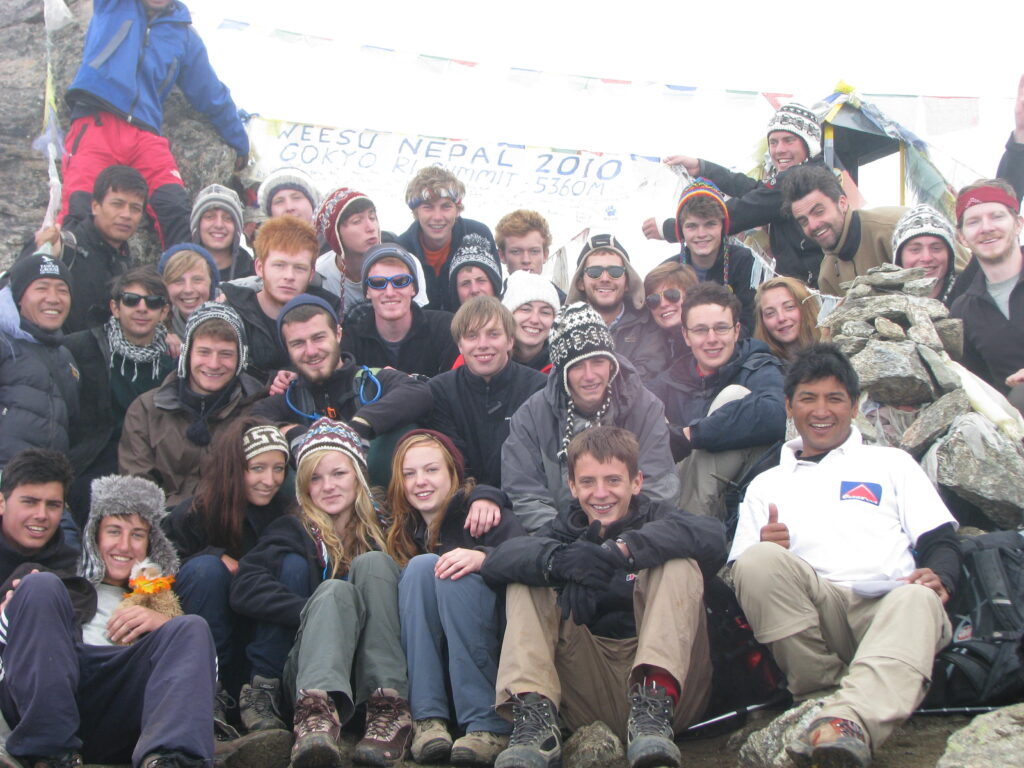
By the time you begin your trek, it’s easy to feel as though the journey is all about the mountains. Spend a few days on the trail and you’ll realise it’s equally about the people.
Every suspension bridge, every stone staircase and every remote teahouse exists because generations of Himalayan communities have lived among these mountains long before trekking became part of Nepal’s economy. Today, guides and porters continue that tradition, making it possible for thousands of visitors to experience the Himalayas safely and responsibly each year.
For many travellers, hiring a guide or porter appears on a budget as another expense. It’s more helpful to think of it as an investment—in your own experience and in the communities that make that experience possible.
What Does a Guide Actually Do?
Many first-time visitors imagine that a guide’s primary role is navigation. That might have been true decades ago. Today, marked trails and digital maps mean many routes are relatively straightforward to follow. Navigation remains important, but it is only a small part of what an experienced guide provides.
A professional guide manages permits and logistics, books accommodation during busy seasons, monitors weather conditions, adjusts the itinerary when necessary, and, most importantly, keeps a close eye on your wellbeing. They are trained to recognise the early signs of altitude sickness, often before trekkers notice them themselves.
Just as valuable is the knowledge they bring to the journey. They explain why prayer flags are placed on mountain passes. They introduce you to local customs before entering monasteries. They know the history behind the villages where you stop for lunch and the families who have welcomed trekkers for generations.
The Himalayas become richer when someone helps you read the landscape rather than simply walk through it.
What About Porters?
There is a common misconception that hiring a porter is a luxury. In reality, it is often one of the most practical decisions a trekker can make.
Walking at altitude is physically demanding even with a light daypack. Carrying an additional fifteen or twenty kilograms day after day doesn’t simply make the trek harder—it changes how you experience it. A porter allows you to walk comfortably, conserve energy and focus on the journey rather than the weight on your shoulders.
Just as importantly, porter services provide employment across Nepal’s mountain communities, supporting families whose livelihoods are closely connected to trekking tourism.
Hiring a porter isn’t about avoiding effort.
It’s about allowing your effort to be spent appreciating the mountains instead of carrying unnecessary weight.
Cold Feet Tip
A porter isn’t there to carry everything. Pack thoughtfully. Most trekking companies recommend a porter load of around 10–12 kg per trekker, allowing equipment to be carried comfortably and responsibly. Travelling lighter isn’t only easier for you—it also shows respect for the people supporting your journey. For a full packing breakdown, see our Nepal trekking packing list.
Did You Know?
Many of Nepal’s most experienced mountain guides began their careers as porters. Years spent walking Himalayan trails often become the foundation for careers in guiding, mountaineering and expedition leadership. Behind almost every accomplished guide is a lifetime spent learning the mountains one step at a time.
| Service | Typical Daily Cost (2026–2027) |
|---|---|
| Licensed Trekking Guide | US$30–45 per day |
| Porter | US$25–35 per day |
| Guide-Porter (where available) | US$25–40 per day |
These rates generally include the guide’s or porter’s salary. Depending on the itinerary, accommodation, meals and transportation are often covered separately by the trekking company as part of the overall package. When comparing quotations, it’s worth checking exactly what is included rather than assuming every company structures costs in the same way.
From the Trail
One evening in the Annapurna region, a trekker apologised to his porter for “making him carry so much.” The porter smiled and replied: “You carried your life to Nepal. I only carried your bag.” It’s the kind of exchange our guides describe hearing, in one form or another, on almost every trek.
3. Accommodation: What You’ll Really Find in a Himalayan Teahouse
One of the first surprises for many travellers is discovering that trekking in Nepal doesn’t usually involve tents. Instead, you’ll spend your nights in teahouses—simple lodges run by families who have welcomed travellers into the mountains for generations.
Despite the name, a teahouse is much more than somewhere to drink tea. It is your bedroom, your dining room, your drying room, your refuge when afternoon snow begins to fall, and your meeting place each evening as trekkers from around the world gather around a stove to exchange stories from the trail. Long after the mountain views begin to blur together, many people remember these evenings most vividly.
What Does a Night in the Himalayas Cost?
One of the most pleasant surprises awaiting first-time trekkers is just how welcoming Nepal’s mountain lodges are. There are no sprawling resorts hidden among the peaks. Instead, the Himalayas are stitched together by thousands of family-run teahouses that have evolved alongside trekking itself. They are simple, warm and deeply personal. Every village has its own rhythm, every dining room its own atmosphere, and every host their own story.
Accommodation is also one of the most misunderstood parts of a trekking budget. Many travellers expect rooms to become dramatically more expensive as they climb higher into the mountains. The reality is more nuanced.
On most classic trekking routes, the room itself is often surprisingly inexpensive. In some villages, particularly during the main trekking seasons, teahouse owners charge very little for accommodation because they expect guests to eat their meals in the lodge. Dinner, breakfast and endless cups of tea are what sustain the business.
As you gain altitude, however, everything becomes more difficult to transport. Rice, vegetables, cooking gas, bottled drinks, even building materials must often be carried by porters, pack animals or helicopters.
The room doesn’t become dramatically more expensive.
Life does.
| Accommodation Type | Typical Cost |
|---|---|
| Standard Teahouse Room | US$5–15 per night |
| Private Room with Attached Bathroom (where available) | US$15–40 |
| Premium Mountain Lodge | US$80–250+ |
Prices vary by trekking region, altitude and season.
Local Insight
If you’ve never stayed in a Himalayan teahouse before, you’ll quickly notice that everyone gathers in the dining room long before bedtime. That’s because it’s usually the warmest room in the building. Traditionally heated by a central stove, the dining room becomes the social heart of every evening. Trekkers compare routes, guides discuss tomorrow’s weather, and local families prepare meals while conversations drift between half a dozen languages. In many ways, this room is as memorable as the mountains outside.
4. Food & Drinks: The Cost of Eating in the Himalayas
Ask anyone who has completed a trek in Nepal what they ate most often. The answer is almost always the same: dal bhat. Twice-cooked lentils, rice, seasonal vegetables, pickles and, occasionally, curry. Simple. Nutritious. Remarkably satisfying after a long day of climbing.
There’s even an old saying you’ll hear throughout the mountains: Dal Bhat Power, 24 Hour. It’s usually said with a smile, yet there’s a reason so many guides still choose it every day. Unlike many meals, dal bhat traditionally comes with unlimited refills in most teahouses, making it one of the best values anywhere on the trail.

Of course, trekking menus have become increasingly diverse over the years. Today it’s perfectly possible to order pancakes for breakfast, pizza in Namche Bazaar, yak steak in parts of the Khumbu, apple pie in the Annapurna region or fresh coffee in surprisingly remote villages. Just remember that every ingredient has travelled the same trail you did. Sometimes much farther.
| Food Item | Typical Price |
|---|---|
| Breakfast | US$4–8 |
| Dal Bhat | US$6–12 |
| Noodle or Pasta Dishes | US$5–10 |
| Tea or Coffee | US$2–5 |
| Snacks & Chocolate | US$2–6 |
Local Insight
Why does the same plate of dal bhat cost almost twice as much near Everest Base Camp as it does in Kathmandu? The answer isn’t tourism. It’s logistics. Above the road head, every sack of rice, every crate of eggs and every bottle of cooking oil must somehow reach villages where no trucks can drive. In many regions they’re still carried by porters, mules, yaks or helicopters. Every ingredient on your plate has usually made a longer, harder journey than you did to reach it.
Travel Responsibly
Whenever possible, eat at the same teahouse where you’re staying. For many families, accommodation brings guests through the door — meals keep the business running. Choosing to dine where you sleep is one of the simplest ways to support mountain communities directly.
5. Drinking Water: Staying Hydrated Without Breaking Your Budget
If there is one expense that quietly adds up over the course of a trek, it’s drinking water. At sea level, most people underestimate how much they need to drink. In the Himalayas, where the air is colder, drier and the effects of altitude increase fluid loss, staying hydrated becomes an essential part of staying healthy.
A typical trekker should expect to drink 3–4 litres of water each day, and often more on longer or steeper walking days. Buying bottled water for two weeks quickly becomes one of the most expensive—and environmentally damaging—ways to stay hydrated. Fortunately, there are better alternatives.
| Water Option | Typical Cost |
|---|---|
| Bottled Water | US$1–6 per bottle |
| Boiled Drinking Water | US$1–4 per litre |
| Water Refill Stations | US$0.50–2 per litre |
| Purification Tablets | US$10–20 per pack |
| Water Filter Bottle | One-time purchase |
Most experienced trekkers carry a reusable bottle together with a lightweight purification system. Many teahouses provide boiled drinking water, while refill stations have become increasingly common on popular routes such as Everest and Annapurna. Over the course of a two-week trek, this can save a significant amount of money while dramatically reducing plastic waste.
Travel Responsibly
Carry a reusable water bottle and a reliable purification method. Every bottle must be carried into the mountains and back out again — refilling instead reduces both plastic waste and the effort required to transport it through the Himalayas.
6. Connectivity: Wi-Fi, Charging and Staying Connected
One of the quiet pleasures of trekking in Nepal is how naturally the digital world begins to fade. Notifications become less frequent. Signal bars disappear. Conversations grow longer. Many trekkers arrive worried about losing internet access, only to discover that they don’t miss it nearly as much as they expected.
That said, staying connected is still possible across much of the Himalayas. Most popular trekking routes now offer Wi-Fi in many villages, although reliability decreases with altitude and weather conditions. Charging electronic devices is also widely available, often for a small fee in higher settlements where electricity is limited.
| Service | Typical Cost |
|---|---|
| Device Charging | US$1–5 |
| Wi-Fi Access | US$2–8 |
| Local SIM Card + Data | US$10–20 |
Rather than relying entirely on Wi-Fi, many travellers find that purchasing a local SIM card in Kathmandu provides a more economical solution whenever mobile coverage is available. Offline maps, downloaded guidebooks and pre-saved translations are equally valuable, particularly in more remote regions where internet access may disappear for several days.
Cold Feet Tip
Before leaving Kathmandu, download everything you’ll need: offline maps, emergency contacts, translation apps, entertainment for long bus journeys. You’ll use far less data on the trail and won’t find yourself searching for a signal simply to check tomorrow’s route.
From the Trail
It’s remarkable how quickly the absence of internet stops feeling like a problem. The first evening, everyone searches for Wi-Fi. By the fourth, they’re sitting around the stove discussing tomorrow’s pass, comparing photographs on their cameras instead of their phones. The mountains have a quiet way of changing priorities.
7. Equipment Rental: Buy Everything—or Rent What You Need?
One of the advantages of trekking in Nepal is that you don’t need to arrive with every piece of equipment. Kathmandu, particularly the neighbourhood of Thamel, has developed into one of the best places in the world to rent trekking gear. From down jackets and sleeping bags to trekking poles and crampons for technical routes, almost everything can be hired for a fraction of the purchase price.
For travellers planning a single Himalayan adventure, renting often makes more financial and practical sense than buying expensive equipment at home. If you trek regularly, however, investing in quality boots and clothing that fit you well is usually worthwhile. For the full rent-vs-buy breakdown, see our Nepal trekking packing list.
| Equipment | Typical Rental Cost |
|---|---|
| Down Jacket | US$1–3/day |
| Sleeping Bag | US$1–3/day |
| Trekking Poles | US$1–2/day |
| Duffel Bag | Often included with guided treks |
8. Transportation: Getting to the Mountains
Before the trail begins, there is another journey. It starts in the bustling streets of Kathmandu, where trekking boots replace city shoes and duffel bags are packed one final time. Then, slowly, the city gives way to rivers, terraced hillsides and winding mountain roads, or, in some cases, to a small aircraft lifting above the valley towards the snow-covered peaks.
For many first-time visitors, transportation is one of the most surprising parts of trekking in Nepal. Distances that appear short on a map can take an entire day to travel, while some of the country’s most famous trekking routes begin with flights lasting less than an hour. These journeys are not simply transfers from one place to another. They are the first chapter of the trek itself — and one of the largest contributors to your overall budget.
| Transportation | Typical Cost (One Way) | Best For |
|---|---|---|
| Tourist Bus | US$10–30 | Budget travellers on popular routes |
| Local Bus | US$5–15 | Lowest-cost option |
| Private Jeep | US$180–350 per vehicle | Groups, comfort and flexibility |
| Domestic Flight | US$120–250 | Everest, remote regions and time-saving |
| Helicopter Charter | US$2,000–5,000+ | Luxury travel and emergency logistics |
By Road
The majority of Nepal’s trekking regions begin with a road journey. Some are smooth and scenic. Others are long and winding. Road travel has improved considerably over the past decade, particularly in the Annapurna region, Langtang and eastern Nepal, and continues to reach deeper into the mountains each year, making some trailheads more accessible than ever before.
Tourist buses remain the most economical way to travel between Kathmandu and destinations such as Pokhara, while private jeeps offer greater flexibility for groups or travellers wishing to avoid long public transport journeys. Roads follow river valleys, climbing gradually through farming villages, forests and mountain towns where life moves to the rhythm of the landscape rather than the clock. For many travellers, these hours provide their first real glimpse of rural Nepal.
By Air
Some of Nepal’s most celebrated trekking regions begin with a flight — not because they are far away, but because the terrain between them and Kathmandu is among the most dramatic on Earth. The flight to Lukla, gateway to Everest Base Camp, is perhaps the best known. Lasting less than forty minutes, it crosses the Himalayan foothills before landing on a short mountain runway that has become legendary among travellers.
Other trekking regions, including Dolpo, Jumla, Jomsom and Simikot, also rely on domestic flights because road access remains limited or seasonal. While flights increase the cost of a trek, they often save several days of travel and make remote regions accessible within a practical itinerary. It’s worth remembering, however, that mountain weather always has the final say — flights may be delayed or postponed due to cloud, wind or poor visibility. Building flexibility into your schedule is part of travelling responsibly in the Himalayas.
From the Trail
Ask a room full of Everest trekkers what they remember about the journey to Lukla. Some will mention the runway. Others the mountains rising above the clouds. Almost everyone will remember the silence that follows when the aircraft door opens.
The trek hasn’t begun.
Yet somehow, it already has…
Cold Feet Tip
If your itinerary includes a domestic mountain flight, keep one or two extra days at the end of your trip before your international departure. Weather delays are a normal part of Himalayan travel, particularly during spring and autumn. Having a buffer day removes unnecessary stress and allows the mountains to set the pace rather than your flight schedule.
Private Jeeps
For routes that don’t require flights, private jeeps have become an increasingly popular option. They are faster than public buses, more comfortable on rough mountain roads and allow greater flexibility with departure times and rest stops. Although the cost is significantly higher than travelling by bus, sharing a jeep among four to six travellers often makes it surprisingly economical.
Private transport is particularly popular for the Manaslu Circuit, Upper Mustang, Langtang Valley, and sections of the Annapurna Circuit, where road conditions can be challenging and public transport infrequent. More importantly, a private vehicle gives your itinerary room to breathe — to stop for photographs, visit viewpoints, enjoy lunch beside a river or simply travel at a less hurried pace. That freedom to pause is often worth more than the extra cost of the ride.
Travel Responsibly
Where practical, sharing transportation with other trekkers helps reduce both costs and environmental impact. It’s a small choice that often leads to unexpected conversations—and occasionally, lifelong friendships before the trek has even begun.
Helicopters
Helicopters occupy a unique place in Himalayan travel. For some visitors, they provide an unforgettable scenic experience or a way to reach remote regions within a limited time. For others, they are an essential part of mountain rescue operations when illness or injury makes evacuation necessary. While helicopter tours have become increasingly popular, they are not a substitute for trekking itself.
Helicopters reveal the mountains from above.
Trails reveal them from within.
Local Insight
If you hear a helicopter overhead while trekking, don’t assume it’s carrying tourists. More often than not, it is transporting supplies to remote villages, delivering essential goods or carrying out medical evacuations. In the Himalayas, helicopters are as much a lifeline as they are a luxury.
Chapter 3: Real Trekking Budgets — What Different Styles of Trekking Actually Cost
One of the reasons you’ll find so many different price estimates online is that they often describe completely different experiences. A backpacker travelling independently, eating simple meals and taking local buses is not having the same journey as a couple staying in premium lodges with private transportation. Both are trekking in Nepal. Both are valid. Their budgets simply reflect different priorities.
Rather than asking “How much does trekking cost?”, it’s more useful to ask: “What kind of trek do I want to have?”
The examples below are based on typical 12–14 day treks and include the major expenses you’ll encounter before, during and immediately after the trek.
Budget Trekker: For the Independent Spirit
The Budget Trekker is someone who values experiences over comforts. They choose local transportation where possible, stay in standard teahouses, eat simple meals and travel with carefully planned expenses. Budget trekking doesn’t mean compromising the experience. It simply means spending thoughtfully.
| Expense | Estimated Cost |
|---|---|
| Permits | US$40–70 |
| Transportation | US$80–250 |
| Accommodation | US$80–150 |
| Meals | US$180–280 |
| Guide (where required) | US$350–500 |
| Personal Expenses | US$100–150 |
| Estimated Total | US$900–1,300 |
From the Trail
Some of our happiest guests have been those travelling with the smallest budgets. They spent evenings playing cards with guides, accepted every invitation for tea, and never felt the need to rush to the next village. The mountains have never cared how expensive your jacket was.
Classic Guided Trek: The Journey Most Travellers Choose
This is, by far, the most common way to experience Nepal. A licensed guide manages logistics, accommodation and permits while you focus entirely on walking, learning and enjoying the journey. Private rooms are available where possible, transportation is comfortable, meals are varied, and the itinerary allows enough time for proper acclimatisation without feeling rushed. For many people, this strikes the ideal balance between comfort, safety and value.
| Expense | Estimated Cost |
|---|---|
| Permits | US$40–250 |
| Transportation | US$150–400 |
| Accommodation | US$150–250 |
| Meals | US$250–350 |
| Guide | Included |
| Porter | Included |
| Miscellaneous | US$150–250 |
| Estimated Total | US$1,400–2,100 |
Cold Feet Tip
When comparing guided treks, don’t ask only about the itinerary. Ask how many people will be in your group. A smaller group often means a more flexible pace, greater interaction with your guide and easier access to accommodation during busy trekking seasons.
Premium Trekking: More Comfort, Same Mountains
Premium trekking isn’t about luxury. It’s about removing unnecessary stress: private airport transfers, better hotels in Kathmandu, well-located teahouses, domestic flights where they save meaningful time, a private guide, more flexible scheduling, extra acclimatisation days, good coffee when available. None of it changes the mountains — it changes how relaxed you feel while experiencing them.
| Expense | Estimated Cost |
|---|---|
| Complete Trek Package | US$2,200–3,200 |
Local Insight
One of the biggest advantages of premium trekking isn’t visible in photographs. It’s flexibility. If weather changes, someone becomes tired or a village deserves another afternoon, the itinerary can adapt. That freedom is often remembered long after the upgraded room has been forgotten.
Luxury Himalayan Journey: When Time Is the Greatest Luxury
Luxury in Nepal rarely resembles luxury elsewhere. There are no infinity pools at 4,000 metres, no designer boutiques beside glacial rivers. Instead, luxury reveals itself in quieter ways: a private guide who notices you’re slowing down before you say a word, fresh bread baked at altitude, a warm shower after crossing a high pass, a helicopter flight returning you to Kathmandu while giving one final aerial perspective of the mountains you’ve spent days walking among.
Most importantly, it means having enough time — to pause, to linger, to actually experience Nepal instead of passing through it.
| Experience | Estimated Cost |
|---|---|
| Luxury Trek | US$3,500–7,000+ |
Travel Responsibly
Luxury and responsibility are not opposites. Choosing locally owned lodges, fairly compensating guides and porters, and supporting businesses rooted in mountain communities creates a more meaningful form of luxury—one that benefits everyone involved.
Not sure which style fits your trip? Tell us your rough budget and dates and we’ll build a real itinerary around it.
“The true cost of a trek isn’t measured by what you spend getting there. It’s measured by how deeply you allow the journey to change the way you see the world.”
— Cold Feet Field Notes
Chapter 4: Trek-by-Trek Cost Profiles
Everest Base Camp Trek: Walking to the Foot of the World’s Highest Mountain
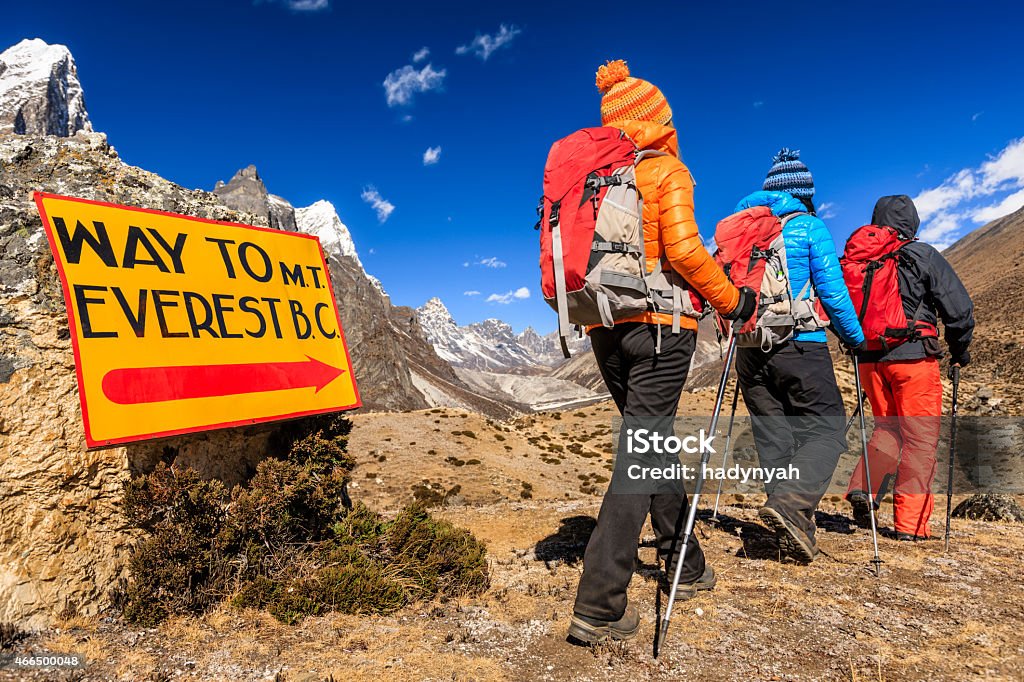
There are few names in adventure travel as instantly recognizable as Everest Base Camp. For many, it is the trek that first inspires a journey to Nepal. The route follows ancient trade paths through the homeland of the Sherpa people, climbs steadily into the Khumbu Valley, passes centuries-old monasteries, and eventually reaches the foot of a mountain that has captured human imagination for generations.
Despite its global reputation, Everest Base Camp is not an expedition. No climbing experience is required. What it demands instead is patience. Every day brings higher altitude, thinner air and a landscape that changes almost imperceptibly until forests give way to glaciers, prayer flags flutter above rocky ridges and the summit of Everest begins appearing between the clouds.
| Typical Duration | 12–14 Days |
| Difficulty | Moderate to Challenging |
| Maximum Altitude | 5,364 m (17,598 ft) |
| Best Seasons | March–May, September–November |
| Typical Budget | US$1,400–2,500 |
| Ideal For | First-time Himalayan trekkers seeking an iconic high-altitude experience |
Why Does Everest Base Camp Cost More?
Many people assume Everest Base Camp is expensive because it leads to the world’s highest mountain. The real reason is much simpler: logistics. Unlike Annapurna or Langtang, the traditional route begins with a mountain flight to Lukla. Every bag of rice, every solar panel, every building material and every can of soft drink must somehow reach villages where no roads exist — some by aircraft, some by yak, mule or porter. Every additional step in that supply chain increases the cost of everyday life in the Khumbu.
That’s why a cup of coffee costs more in Namche Bazaar than in Kathmandu: someone had to carry the ingredients there.
Local Insight
The Khumbu isn’t simply the gateway to Everest. It is the ancestral homeland of the Sherpa people, whose culture has been shaped by Buddhism, trade and mountain life for centuries. Visitors often use the word “Sherpa” to describe anyone carrying equipment in the Himalayas. In reality, Sherpa is an ethnic community with its own language, traditions and history. Learning that distinction is a small gesture of respect that means a great deal.
Cold Feet Tip
If your schedule allows, spend an extra day in Namche Bazaar beyond the standard acclimatisation stop. Many itineraries treat it as a place to rest — it’s actually one of the most fascinating mountain towns in the Himalayas, with excellent bakeries, museums, cafés and panoramic viewpoints that deserve to be explored without rushing.
Travel Responsibly
Resist the temptation to treat Everest Base Camp as a race. Acclimatise properly, support locally owned lodges whenever possible, carry a reusable water bottle, and walk at the pace of the mountains rather than the pace of your itinerary. If you’re planning your acclimatisation schedule, our guide to altitude sickness in Nepal covers prevention, symptoms and when to turn back.
From the Trail
Ask ten trekkers what they remember most about Everest Base Camp, and you’ll hear ten different answers. Some speak of standing beneath the Khumbu Icefall. Others remember watching monks chant in Tengboche Monastery or drinking tea while snow fell quietly outside a lodge window.
The summit of Everest may be the reason many people come here.
But it’s rarely the only thing they take home.
Annapurna Base Camp: Into the Sanctuary of the Gods
If Everest feels vast and dramatic, Annapurna Base Camp feels intimate. The trail winds through terraced hillsides, bamboo forests, rhododendron woodlands and traditional Gurung and Magar villages before entering a natural amphitheatre completely enclosed by some of the highest mountains on Earth.
Unlike Everest, where the mountains often reveal themselves gradually, Annapurna Base Camp saves its greatest surprise for the very end. After days of walking through valleys and forests, the landscape suddenly opens and you find yourself standing inside the Annapurna Sanctuary, surrounded on every side by towering peaks of ice and rock. There are few places in the Himalayas where the mountains feel so close.
| Typical Duration | 7–11 Days |
| Difficulty | Moderate |
| Maximum Altitude | 4,130 m (13,550 ft) |
| Best Seasons | March–May, September–November |
| Typical Budget | US$900–1,700 |
| Ideal For | Travellers seeking dramatic Himalayan scenery in a shorter timeframe |
Why Is Annapurna Base Camp More Affordable?
One of the reasons Annapurna Base Camp remains so popular is its accessibility. Unlike the Everest region, the journey usually begins with a drive or short flight to Pokhara, followed by road access to the trailhead. Well-established teahouses, reliable transport and a relatively shorter itinerary help keep overall costs lower while still delivering one of Nepal’s most spectacular mountain experiences. The affordability isn’t a reflection of lesser scenery — quite the opposite. It’s simply easier to reach.
Langtang Valley Trek: Nepal’s Most Remarkable Recovery
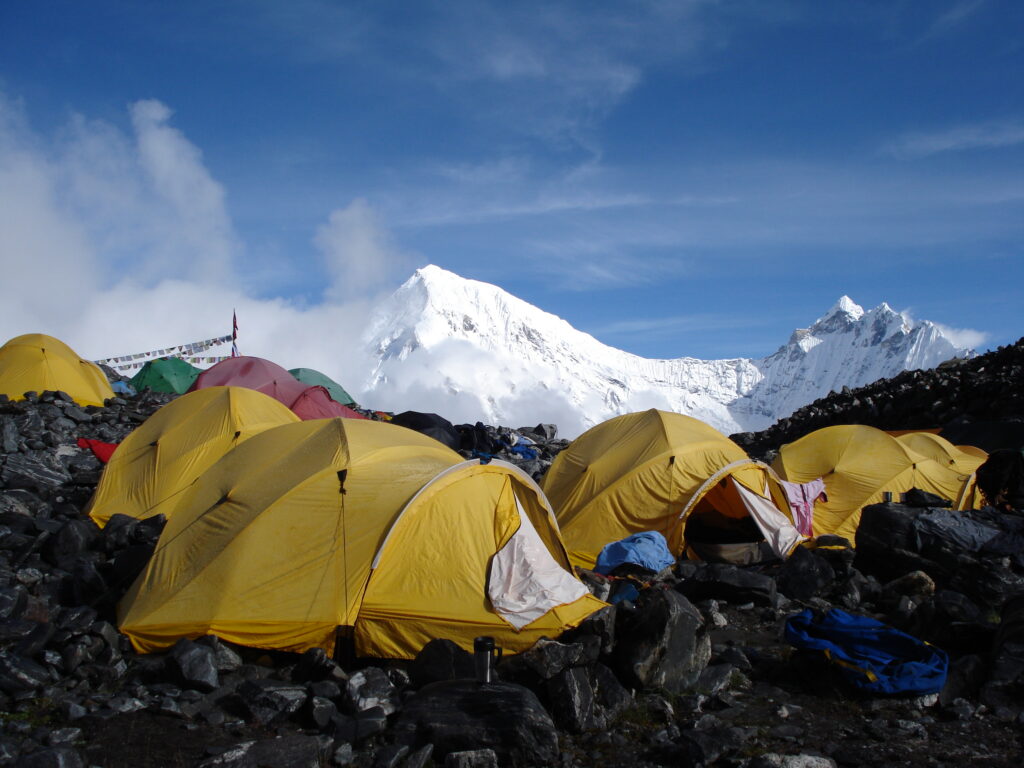
There are treks that impress because of their altitude, and others because of their history. Langtang is unusual in that it offers both. Less than a day’s drive from Kathmandu, the Langtang Valley rises from subtropical forests into a landscape of alpine meadows, glacial rivers and snow-covered peaks. It is one of Nepal’s most accessible Himalayan treks, yet it often receives far fewer visitors than Everest or Annapurna. For travellers seeking a quieter trail without sacrificing mountain scenery, that balance is one of Langtang’s greatest strengths.
The valley also carries a recent history that every visitor should understand. In April 2015, the Gorkha earthquake triggered a massive landslide that buried much of Langtang Village. Hundreds of local residents and trekkers lost their lives. In the years that followed, the community rebuilt homes, lodges and trails, welcoming visitors back not as a symbol of recovery, but as a continuation of life in the valley.
That resilience was tested again on 26 August 2026, when a flash flood swept down the Bhote Koshi and hit the Rasuwa corridor — the road gateway to Langtang through Syabrubesi. The trail itself, from Langtang Village up to Kyanjin Gompa, was not affected. What washed out was the way in: sections of highway, bridges and the usual checkpost route. An alternative approach via Dhunche and Thulo Syabru is now operating, though it adds a day or more to the itinerary while the direct road is rebuilt. Autumn, Langtang’s main season, is when that recovery work is expected to matter most, so travellers with dates this October or November should confirm current access with their operator closer to departure.
Today, trekking in Langtang is not an act of charity. It is a way of supporting a region that has rebuilt itself once already, through resilience, hard work and tourism — and is doing it again.
| Typical Duration | 7–10 Days |
| Difficulty | Moderate |
| Maximum Altitude | 4,984 m (Tserko Ri) |
| Best Seasons | March–May, September–November |
| Typical Budget | US$850–1,500 |
| Ideal For | First-time trekkers, photographers and travellers looking for a quieter Himalayan experience |
Why Is Langtang More Affordable?
Compared to Everest or Upper Mustang, Langtang is relatively straightforward to reach. The journey begins with a drive from Kathmandu to Syabrubesi, eliminating the need for domestic flights. Permit costs are also lower, and the trek itself is shorter than many of Nepal’s classic routes. For travellers with limited time, Langtang often provides one of the best value-to-experience ratios in Nepal.
Local Insight
The people of Langtang are primarily of Tamang heritage, an Indigenous community with deep cultural and historical ties to Tibet. Their traditions, language, architecture and Buddhist practices give the valley a distinct identity that differs from both the Khumbu and Annapurna regions.
Cold Feet Tip
If your itinerary allows, include Kyanjin Ri or Tserko Ri rather than returning immediately after reaching Kyanjin Gompa. Both viewpoints provide spectacular perspectives over the Langtang Glacier and surrounding peaks, and they are among the most rewarding day hikes in Nepal.
Travel Responsibly
Many families in Langtang rebuilt their lodges after the 2015 earthquake. Staying in locally owned accommodation, eating at family-run teahouses and hiring local guides contributes directly to the valley’s economy — responsible tourism here has a tangible impact.
From the Trail
Visitors often expect Langtang to feel like a quieter version of Everest. It doesn’t. The atmosphere is different — fewer crowds, longer conversations in the lodges, a pace that encourages you to notice details you might otherwise miss. Many trekkers arrive because Langtang is convenient. Quite a few leave wondering why they hadn’t heard more about it.
Manaslu Circuit Trek: Around the World’s Eighth-Highest Mountain
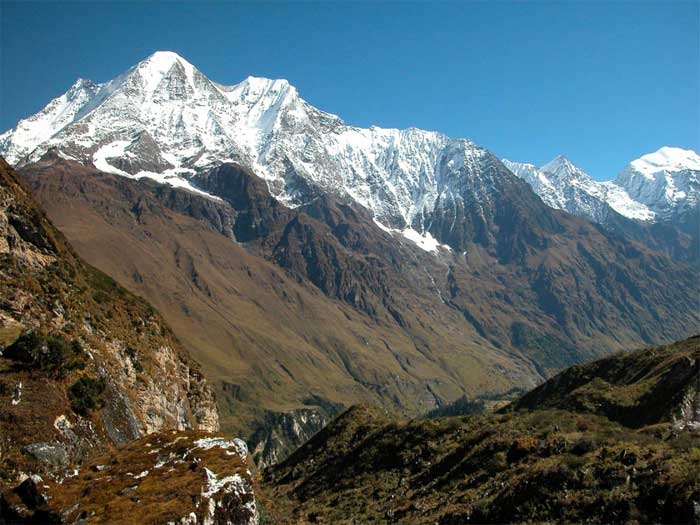
The Manaslu Circuit has changed considerably over the last decade. Once regarded as an expedition-style trek for experienced hikers, improved trails and better teahouse infrastructure have made it accessible to a much wider range of travellers. Even so, it remains one of Nepal’s least crowded major trekking routes, and that relative solitude is part of its appeal.
The trail circles Mount Manaslu (8,163 metres), passing through deep river gorges, dense forests, Tibetan-influenced villages and the dramatic crossing of Larke Pass at 5,106 metres. It is a physically demanding trek, but one that rewards steady pacing rather than technical ability. Unlike Everest or Annapurna, Manaslu is a restricted area — this influences almost every aspect of the journey, from permits to guiding requirements and overall cost.
| Typical Duration | 14–18 Days |
| Difficulty | Challenging |
| Maximum Altitude | 5,106 m (Larke Pass) |
| Best Seasons | March–May, September–November |
| Typical Budget | US$1,800–2,800 |
| Ideal For | Experienced trekkers seeking fewer crowds and a more remote experience |
Why Does Manaslu Cost More?
The increased cost of the Manaslu Circuit has less to do with comfort and more to do with regulation. The region is designated as a Restricted Area, meaning trekkers must obtain a special permit, travel with a licensed guide and meet minimum group requirements under current regulations. These rules were introduced to help manage tourism in a culturally and environmentally sensitive region. The trek is also longer than many of Nepal’s classic routes, adding several days of accommodation, meals and guide services to the overall budget. Despite the higher cost, Manaslu often offers excellent value for travellers looking for a quieter Himalayan experience.
Local Insight
Many villages in the upper Manaslu region share close cultural and religious traditions with neighbouring Tibet. Stone mani walls, chortens and centuries-old monasteries become increasingly common as you gain altitude. Walking through these settlements is a reminder that political borders rarely define cultural landscapes — the Himalayas have long been connected by trade, pilgrimage and seasonal migration.
Annapurna Circuit Trek: A Journey Through Nepal’s Many Landscapes
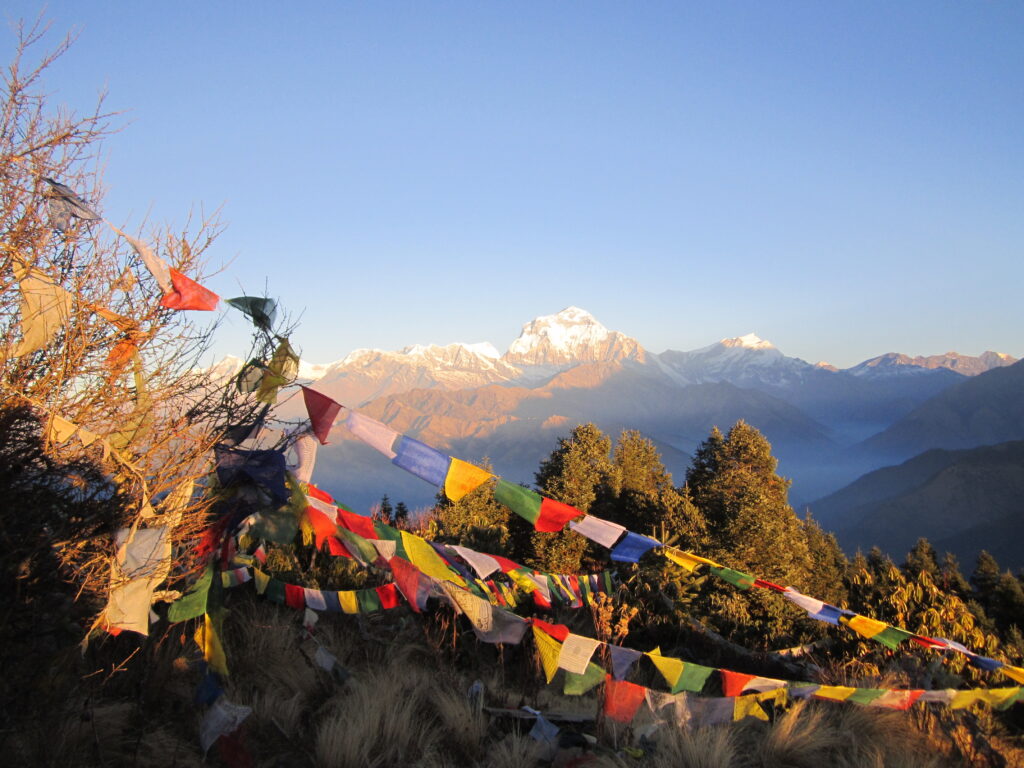
Few treks in the world offer as much geographical and cultural variety as the Annapurna Circuit. Over the course of two to three weeks, the trail passes through subtropical forests, terraced farmland, pine woodlands, high alpine valleys and the arid landscapes that lie in the rain shadow of the Himalayas. Along the way, villages change in architecture, language and religion as the route gradually approaches the Tibetan Plateau.
The circuit’s defining moment is the crossing of Thorong La Pass (5,416 metres), one of the highest trekking passes in the world. Reaching it requires careful acclimatisation rather than technical climbing, and for many trekkers it marks the culmination of days spent gradually gaining altitude. Although roads have reached parts of the original circuit, thoughtful itinerary planning still allows trekkers to experience the sections that made this route famous.
| Typical Duration | 14–18 Days |
| Difficulty | Moderate to Challenging |
| Maximum Altitude | 5,416 m (Thorong La Pass) |
| Best Seasons | March–May, September–November |
| Typical Budget | US$1,300–2,200 |
| Ideal For | Trekkers looking for variety, longer journeys and cultural diversity |
Why Does the Annapurna Circuit Cost What It Does?
The Annapurna Circuit occupies a middle ground in terms of cost. Unlike Everest, there is no mandatory domestic flight to reach the trailhead — most itineraries begin with a drive from Kathmandu to Besisahar or beyond. The longer duration of the trek naturally increases spending on accommodation, meals and guide services, but these costs are balanced by relatively modest permit fees and road access to much of the region.
Local Insight
One of the most fascinating aspects of the Annapurna Circuit is how quickly the cultural landscape changes. The lower valleys are home largely to Gurung and Magar communities, where Hindu traditions are common and terraced agriculture shapes the hillsides. As you climb north of Manang, the influence of Tibetan Buddhism becomes increasingly visible in monasteries, mani walls and prayer wheels. The transition feels gradual rather than abrupt, reflecting centuries of trade and movement across the Himalayas.
Cold Feet Tip
Don’t think of Thorong La Pass as the goal of the trek. Think of it as one day within a much longer journey. Trekkers who become fixated on reaching the pass often overlook villages such as Pisang, Manang and Braga, each of which rewards an extra hour spent exploring rather than simply passing through.
Travel Responsibly
Road access has changed many communities along the Annapurna Circuit, bringing both opportunities and challenges. Where possible, choose locally owned lodges, buy locally produced goods and allow enough time to spend money in villages rather than simply travelling through them.
From the Trail
People often describe the Annapurna Circuit as if it were a single landscape. It isn’t. What makes the route memorable is the accumulation of contrasts — one morning begins among rice terraces and humid forests, a week later you’re crossing a windswept pass where little grows beyond hardy alpine shrubs, and by the time you descend into Mustang, the landscape has changed again. The circuit isn’t defined by one spectacular viewpoint — it’s defined by the way Nepal gradually reveals its many landscapes, one valley at a time.
Mardi Himal Trek: A Short Trek with a Remarkably Big Horizon
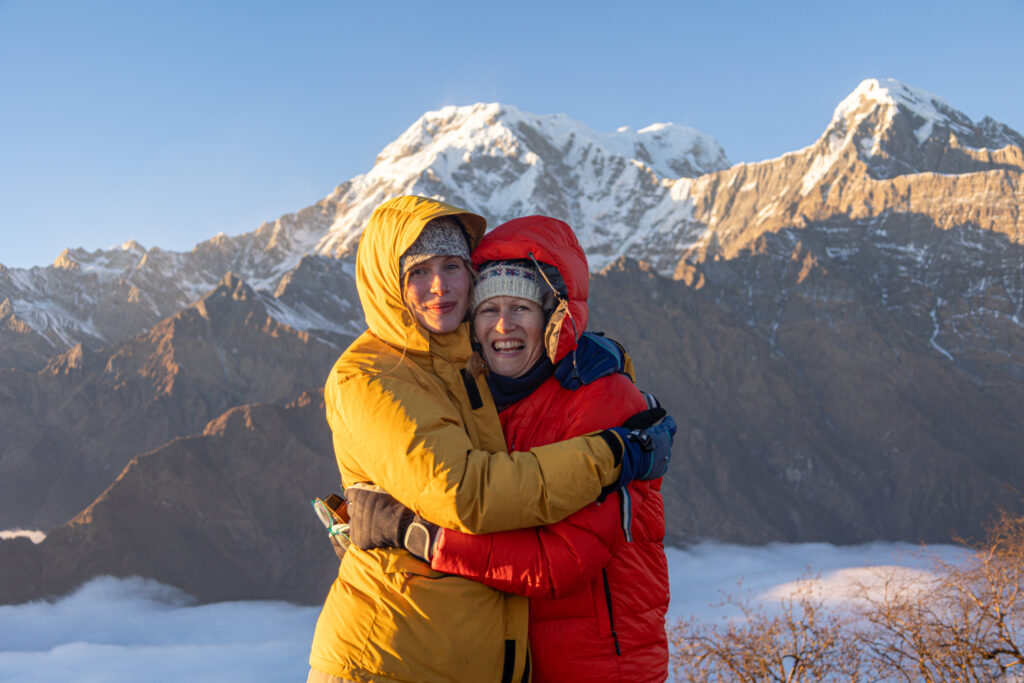
Mardi Himal used to be the trek insiders mentioned quietly to each other. That’s changing: the route has grown steadily in popularity, particularly among travellers with limited time who want a genuine Himalayan trekking experience without committing to two or three weeks in the mountains. Even so, it remains quieter than many of Nepal’s better-known trails.
Beginning near Pokhara, the trek climbs through rhododendron forests before emerging onto an open ridgeline that remains the defining feature of the route. For much of the journey, the trail follows this ridge with uninterrupted views of Machhapuchhre (Fishtail), Annapurna South and Hiunchuli. It is a comparatively short trek, but it never feels rushed — the changing perspective of the mountains is what gives the route its character.
| Typical Duration | 5–7 Days |
| Difficulty | Moderate |
| Maximum Altitude | 4,500 m (Mardi Himal Viewpoint) |
| Best Seasons | March–May, September–November |
| Typical Budget | US$700–1,300 |
| Ideal For | Travellers with limited time who still want a rewarding Himalayan trek |
Why Is Mardi Himal One of Nepal’s Best Value Treks?
Mardi Himal benefits from its proximity to Pokhara and its relatively short duration. There are no domestic flights to the trailhead, permit fees remain modest and the trek can comfortably fit within a week — making it one of the most affordable ways to experience high Himalayan scenery. Its shorter length does not mean it is less rewarding: for many trekkers, the uninterrupted views of Machhapuchhre are among the finest in Nepal.
Local Insight
The striking pyramid of Machhapuchhre dominates much of the trek. Unlike many Himalayan peaks, it has never been opened to commercial climbing. The mountain is considered sacred, particularly by local Hindu communities, and its unclimbed summit reflects a longstanding respect for its spiritual significance.
Cold Feet Tip
If weather conditions allow, spend the night at High Camp and begin walking well before sunrise. The trail to the upper viewpoint is straightforward in daylight, but setting out early allows you to reach the ridge as the first light touches Machhapuchhre — one of the most memorable mornings in the Annapurna region.
Upper Mustang Trek: Walking Through Nepal’s Last Himalayan Kingdom
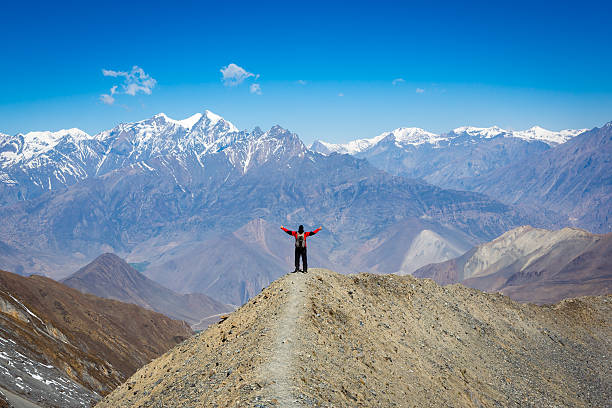
There are places in the Himalayas where the mountains dominate every view. Upper Mustang is different. Here, it is the landscape itself that captures your attention — wind-carved cliffs, ancient cave dwellings high above the valley floor, whitewashed villages rising from the desert, their fields of barley and buckwheat standing in sharp contrast to the surrounding earth.
For centuries, Upper Mustang formed part of the Kingdom of Lo, an independent Himalayan kingdom closely connected to Tibet through trade, language and religion. Although it is now part of Nepal, much of that cultural identity remains visible today. Until 1992, the region was closed to foreign visitors, and access is still carefully regulated through a restricted-area permit designed to limit visitor numbers and help preserve its cultural and environmental heritage.
| Typical Duration | 12–15 Days |
| Difficulty | Moderate |
| Maximum Altitude | 4,200 m |
| Best Seasons | May–October (including the monsoon) |
| Typical Budget | US$2,500–3,800 |
| Ideal For | Culture, history, photography and travellers seeking something beyond the classic trekking routes |
Why Is Upper Mustang Expensive?
The single biggest factor is the Restricted Area Permit, which currently costs US$500 for the first ten days, with additional daily fees thereafter. Unlike Everest, where transportation and logistics account for much of the cost, Upper Mustang’s higher budget is driven primarily by conservation policy — visitor numbers are intentionally limited to reduce pressure on a landscape and culture that remained largely unchanged for centuries.
Local Insight
Lo Manthang, the historic capital of Upper Mustang, remains surrounded by medieval walls built in the fifteenth century. Inside, monasteries more than six hundred years old continue to serve the local community; prayer ceremonies are part of daily life rather than performances for visitors. If you’re fortunate enough to visit during the Tiji Festival, you’ll witness masked dances that commemorate the triumph of wisdom over destructive forces — a religious celebration first, and a visitor attraction second.
Cold Feet Tip
Allow at least one full day in Lo Manthang. Many itineraries arrive late, spend the night and leave the following morning — that schedule misses much of what makes the town remarkable. Walk its narrow lanes, visit the monasteries without rushing, and if possible, hire a local guide for a few hours; their stories often reveal details no guidebook can.
Travel Responsibly
Dress modestly when visiting monasteries, ask permission before photographing people, and remember that many religious sites remain active places of worship. Responsible travel here begins with curiosity and respect.
Kanchenjunga Base Camp Trek: Nepal’s Quiet Frontier
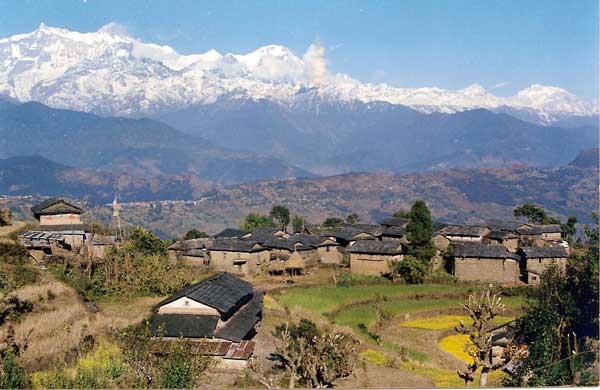
If Everest represents the world’s attention and Annapurna its popularity, Kanchenjunga offers something increasingly uncommon: solitude. Located in far eastern Nepal, the Kanchenjunga region receives only a small fraction of the visitors seen on the country’s better-known trails. Reaching the trailhead requires patience, multiple days of travel and a willingness to accept that plans may change along the way. For many trekkers, those challenges are precisely the attraction.
Named after the world’s third-highest mountain, the route passes through forests of rhododendron and oak, remote Rai and Limbu villages, alpine meadows and high glacial valleys before reaching the mountain’s northern and southern base camps.
| Typical Duration | 18–24 Days |
| Difficulty | Challenging |
| Maximum Altitude | 5,143 m (North Base Camp) |
| Best Seasons | April–May, October–November |
| Typical Budget | US$2,800–4,200 |
| Ideal For | Experienced trekkers seeking extended wilderness journeys |
Why Does Kanchenjunga Cost More?
The cost reflects both duration and logistics. The trek requires several days of road travel, domestic flights depending on the chosen itinerary, special permits, licensed guides and nearly three weeks of accommodation and meals. Unlike Everest or Annapurna, visitor numbers remain low, meaning tourism infrastructure is less extensive and supplying remote villages carries higher logistical costs.
Local Insight
The Kanchenjunga Conservation Area is one of Nepal’s richest regions for biodiversity. Red pandas, Himalayan black bears, musk deer and snow leopards all inhabit these forests, although sightings remain rare. Many local communities have lived alongside this wildlife for generations, and conservation efforts increasingly depend upon balancing tourism, traditional livelihoods and habitat protection.
Cold Feet Tip
Don’t choose Kanchenjunga simply because it is quieter. Choose it because you genuinely enjoy long days of walking and the rhythm that develops after two or three weeks on the trail — this trek rewards consistency more than speed.
From the Trail
Some treks are measured by milestones. Kanchenjunga is measured by routine: wake, walk, tea, another valley, another village. After two weeks, that routine becomes surprisingly satisfying. The simplicity is not something you endure. It’s something you begin to appreciate.
Everest Three Passes Trek: Beyond Base Camp
For trekkers who finish Everest Base Camp wondering what lies beyond the next ridge, there is the Three Passes Trek. Rather than returning the way it came, the route forms a circuit across the Khumbu, linking Kongma La (5,535 m), Cho La (5,420 m) and Renjo La (5,360 m) — connecting valleys that many Everest visitors never see.
The distances are longer than the standard Base Camp trek, the days more demanding and the weather more influential in daily planning. Good physical fitness and previous high-altitude trekking experience are valuable, but the challenge remains one of endurance rather than technical climbing. The reward is perspective — the route reveals the Khumbu from multiple directions, showing familiar mountains from unfamiliar angles.
| Typical Duration | 17–21 Days |
| Difficulty | Challenging |
| Maximum Altitude | 5,535 m (Kongma La) |
| Best Seasons | March–May, September–November |
| Typical Budget | US$2,200–3,500 |
| Ideal For | Experienced trekkers wanting a more demanding alternative to Everest Base Camp |
Why Does It Cost More Than Everest Base Camp?
The permit structure remains largely the same as the Everest Base Camp trek. The additional cost comes from time — the itinerary is nearly a week longer, requiring more accommodation, meals and guide services. For trekkers already travelling to the Khumbu, the additional investment offers a much broader experience of the region.
Local Insight
Gokyo, visited during most Three Passes itineraries, is home to a chain of high-altitude lakes considered sacred in both Hinduism and Buddhism. Please avoid swimming, washing clothing or using soaps in or near these lakes — their significance extends far beyond their scenic beauty.
Cold Feet Tip
If the weather is clear, make time for Gokyo Ri. Many trekkers remember its panorama as the finest viewpoint in the Everest region, with Everest, Lhotse, Makalu and Cho Oyu visible from a single summit.
Travel Responsibly
Demanding treks increase the temptation to rush. Stick to acclimatisation schedules, avoid unnecessary shortcuts across fragile alpine terrain, and remember that mountain rescue services exist for emergencies, not itinerary adjustments.
Chapter 5: How to Choose the Right Trek
By now, you’ve seen the costs. You’ve compared itineraries, permits and transportation, and probably have a rough idea of what fits your budget and how much time you can spend in Nepal. Those are important considerations. They are not, however, the best way to choose a trek.
People often ask which route is the most beautiful, or which one offers the “best experience.” It’s an understandable question, but it assumes there is a single answer. There isn’t — the Himalayas are too varied for that. Each trail reveals a different side of Nepal. Some introduce you to famous peaks that have occupied maps and imaginations for generations. Others lead into valleys where history is preserved not in museums but in everyday life. Some challenge your endurance. Others ask only that you slow down enough to notice where you are.
The right trek is rarely the most difficult or the most famous. It is the one that matches the kind of traveller you are. If you’re torn between two specific routes, our Everest Base Camp vs. Annapurna Circuit comparison walks through the trade-offs in more detail.
If This Is Your First Time in Nepal
Choose a trek that leaves you wanting more. There can be a temptation to begin with the biggest objective — Everest has occupied the imagination of travellers for more than a century, and it’s natural to think your first visit should include the country’s most famous trail. Sometimes it should. Often, it doesn’t need to.
The Annapurna Base Camp Trek and the Langtang Valley Trek offer an introduction to Himalayan trekking that is both accessible and deeply rewarding — mountain villages, teahouse life, changing landscapes and high-altitude walking, without committing to an extended expedition. More importantly, these routes let you learn the rhythm of trekking in Nepal: how to pace yourself, how altitude feels, why evenings in a teahouse become as memorable as the viewpoints.
Cold Feet Tip
Leave room in your itinerary for one unplanned afternoon. Not every memorable moment happens on the trail — some happen while sharing tea with a lodge owner, exploring a village or watching clouds gather over a valley you hadn’t intended to stop in. The best itineraries have a little space for surprise.
If You’ve Dreamed of Everest for Years
Go to Everest. This may sound obvious, but it deserves saying. People sometimes talk themselves out of the Everest Base Camp Trek because another route is quieter, cheaper or less crowded. Those things may all be true. None of them matter if Everest has been part of your imagination since childhood. Travel isn’t an exercise in optimisation — choose the trek that first made you look at a map of Nepal.
If You Find Yourself Drawn to History
Walk to Upper Mustang. The mountains are extraordinary, but they are not the only reason to go — ancient cave monasteries, fortified settlements and centuries-old trade routes become as important as the landscape itself. If museums are among your favourite places to visit when you travel, there’s a good chance you’ll feel at home in Mustang. Only here, the museum is still inhabited.
If Solitude Matters More Than Famous Names
Choose Manaslu. Or go farther still to Kanchenjunga. These aren’t better treks because they receive fewer visitors — they’re simply different. Silence becomes part of the experience, and conversations in the evening tend to be longer because there are fewer people around the stove. Remoteness has practical consequences: journeys are longer, logistics more complicated, budgets higher. Yet many people who choose these regions are looking for exactly that.
Not isolation for its own sake.
Just enough quiet to hear the landscape again.
If You Love Photography
Every trek in Nepal offers remarkable landscapes. They do not all offer the same photographs. The Everest region excels in dramatic mountain architecture — sharp peaks, glaciers and iconic viewpoints. The Annapurna region is about variety — villages, forests, high passes and changing weather. Upper Mustang rewards those interested in texture, light and human history, its strongest photographs often found in quiet streets or monastery courtyards rather than on mountain summits. Langtang is perhaps the most balanced of all — wildlife, forests, glaciers and village life within a relatively compact area.
The best trek for photography isn’t necessarily the one with the biggest mountains. It’s the one whose subjects match the kind of photographs you enjoy making.
If You’re Still Unsure
That’s perfectly normal. Choosing a trek isn’t like choosing a hotel — you’re choosing how you’ll spend days of your life. Read about the regions, look at maps rather than just photographs, pay attention to the villages as much as the viewpoints, and notice which trail you keep returning to after you’ve closed your laptop. There’s usually a reason.
A Final Thought
People often say they are going to the Himalayas to see mountains. They do, of course. But somewhere between the first teahouse and the last mountain pass, the purpose of the journey has a habit of changing.
You begin by measuring the days in kilometres.
Then in villages.
Then in conversations.
By the end, you stop measuring altogether.
The mountains remain exactly where they have always been.
You are the one who returns different.
Travel Responsibly
Every trek described in this guide passes through places that are home to someone else. Walk gently. Learn a few words of Nepali. Support local businesses whenever you can. Carry your rubbish back to the next village. Ask before taking photographs. Leave enough behind that the next traveller has the chance to discover these places with the same sense of wonder. In the end, the goal of responsible travel isn’t simply to minimise impact — it’s to leave with a deeper appreciation of the people and landscapes that welcomed you.
Frequently Asked Questions
How much does it cost to trek Everest Base Camp?
Most trekkers spend between US$1,400 and US$2,500 for a 12–14 day trip, including permits, guide, accommodation and meals. The main cost driver is the Lukla flight and the logistics of supplying the Khumbu region, not the altitude itself.
Is Annapurna Base Camp cheaper than Everest Base Camp?
Generally, yes — typically US$900–1,700 versus US$1,400–2,500 for Everest. The main reason is road access: Annapurna doesn’t require the domestic flight that makes Everest Base Camp more expensive.
Do I need a guide to trek in Nepal?
For most popular regions, including Annapurna and Everest, current regulations require a licensed guide. Even where it isn’t mandatory, an experienced guide is often the single biggest factor in how enjoyable and safe the trek turns out to be.
How much cash should I carry while trekking?
Budget US$100–300 in personal spending for a two-week trek, on top of your package cost — this covers showers, charging, snacks and tips. ATMs become scarce once you leave the road network, so carry Nepalese rupees rather than relying on cards.
What’s the most affordable trek in Nepal?
Short routes like Mardi Himal or Poon Hill, and the slightly longer Langtang Valley, tend to offer the best value — all three avoid the domestic flights and restricted-area permits that push up the cost of treks like Everest, Manaslu and Upper Mustang.
Why do restricted-area treks like Upper Mustang or Manaslu cost more?
Special permits, mandatory licensed guides, minimum group-size requirements and longer, more complex logistics — not the difficulty or scenery — are what drive the higher cost of restricted areas.
Conclusion: What the Journey Gives Back
By now, you probably have a clearer idea of what trekking in Nepal costs. You know which expenses are fixed and which depend on your choices. You understand why a meal becomes more expensive with altitude, why guides are worth investing in, and why two people walking the same trail can return with very different stories—and very different budgets.
But if you’ve read this far, you’ve also realised something else. The cost of a trek is only part of its value.
It’s easy to think of a journey in terms of flights booked, permits issued and kilometres walked. Those things matter — they help us plan, compare and prepare. Yet they rarely become the moments we remember. Years later, people speak instead of the baker in Namche who insisted they try one more slice of apple pie. The lodge owner who lit the stove before dawn. The child who practised English on a suspension bridge. The sound of yak bells disappearing into morning mist. The stranger who became a friend somewhere between two villages whose names are now difficult to pronounce but impossible to forget.
The mountains have always understood something we spend much of our lives trying to learn: the most meaningful journeys are measured by attention, not by distance, altitude or cost.
Perhaps that is why so many people return to Nepal. Not because they have seen everything. Because they have realised they never could. The Himalayas are too vast to be completed, too old to be fully understood and too generous to reveal themselves all at once. Every valley leads to another. Every pass opens onto another horizon. Every journey leaves behind the quiet feeling that there is still more to learn.
That is not a reason to hurry back. It is an invitation to come again with a little more time, a little more curiosity and a little less certainty. If that idea interests you, it’s also the whole premise behind our Belonging Project.
Field Note
On our first morning in the mountains, we often look up. We search for the summit, the pass, the destination waiting somewhere ahead. By the last morning, something has changed. We still notice the mountains. But we also notice the smoke rising from a kitchen chimney, the sound of someone sweeping a stone courtyard, the frost melting from a prayer flag, the familiar greeting from a lodge owner we’ve known for only a few days. The mountains are still magnificent. We’ve simply learned to see everything around them.
Before You Go
If you’re still deciding which trek is right for you, take your time. Read about the regions. Study the maps. Learn a few words of Nepali. Pack thoughtfully. Travel with a guide who knows the trails and the communities they pass through. Leave space in your itinerary for weather, for conversations and for the unexpected moments that no itinerary can promise.
The Himalayas have waited millions of years. They are in no hurry. There is no reason for us to be.
If you’d like a real budget built around your dates, group size and the trek you’re leaning toward, we’re happy to put one together with you.
“A good trek changes your location. A great trek changes your perspective.”
At Cold Feet, we hope your journey through Nepal does both.
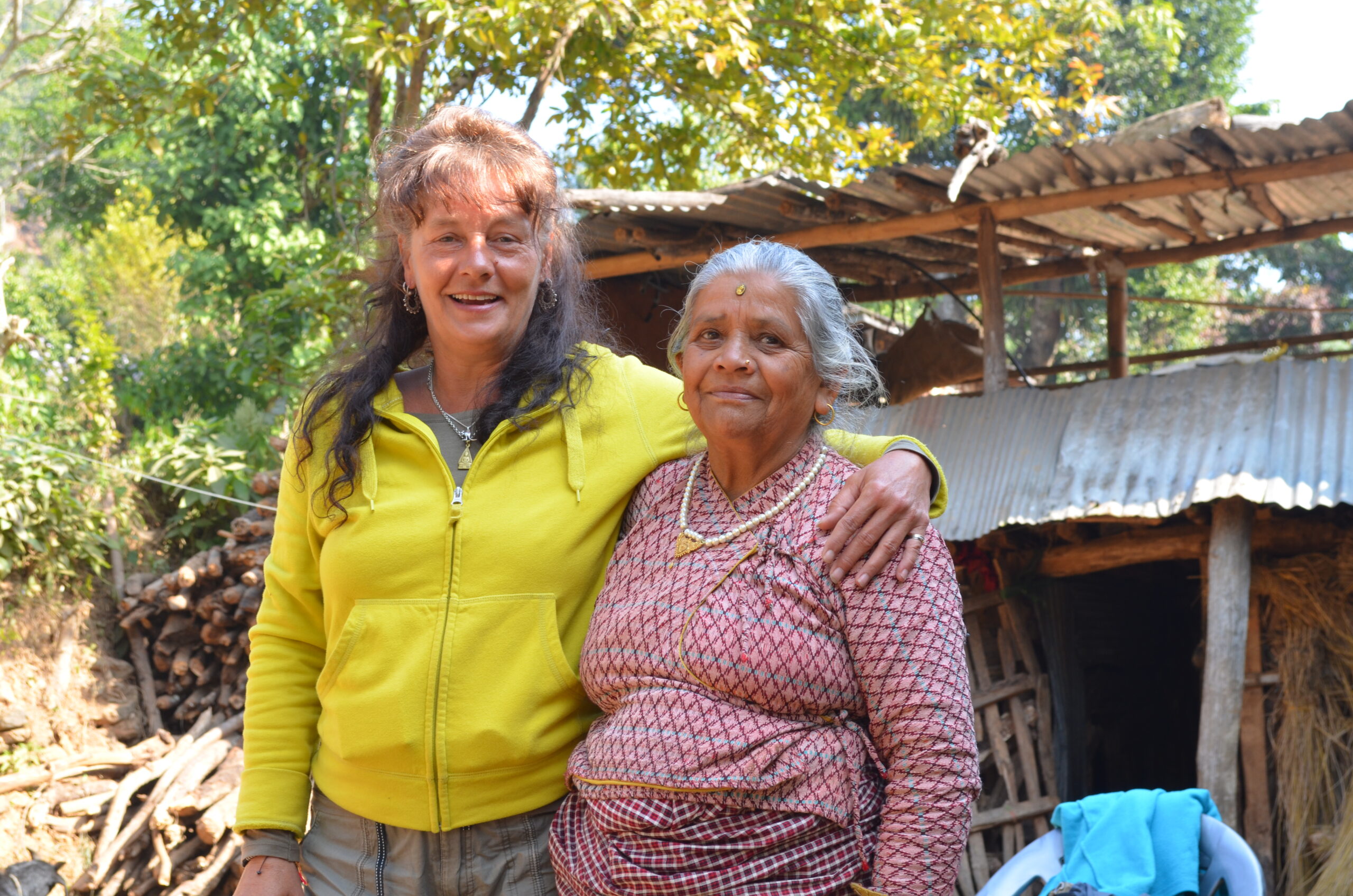
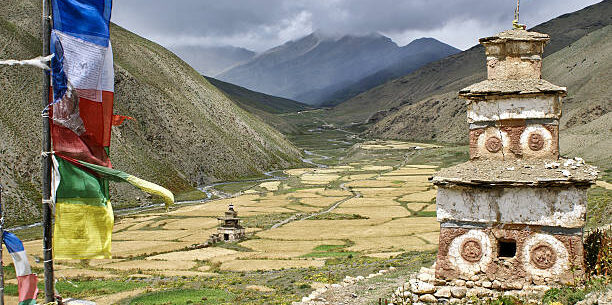
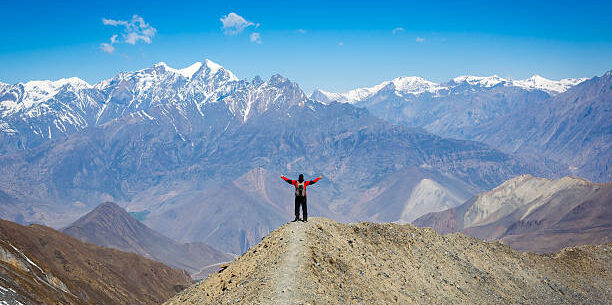
Leave a Reply
You must be logged in to post a comment.